 01
01Original Construction
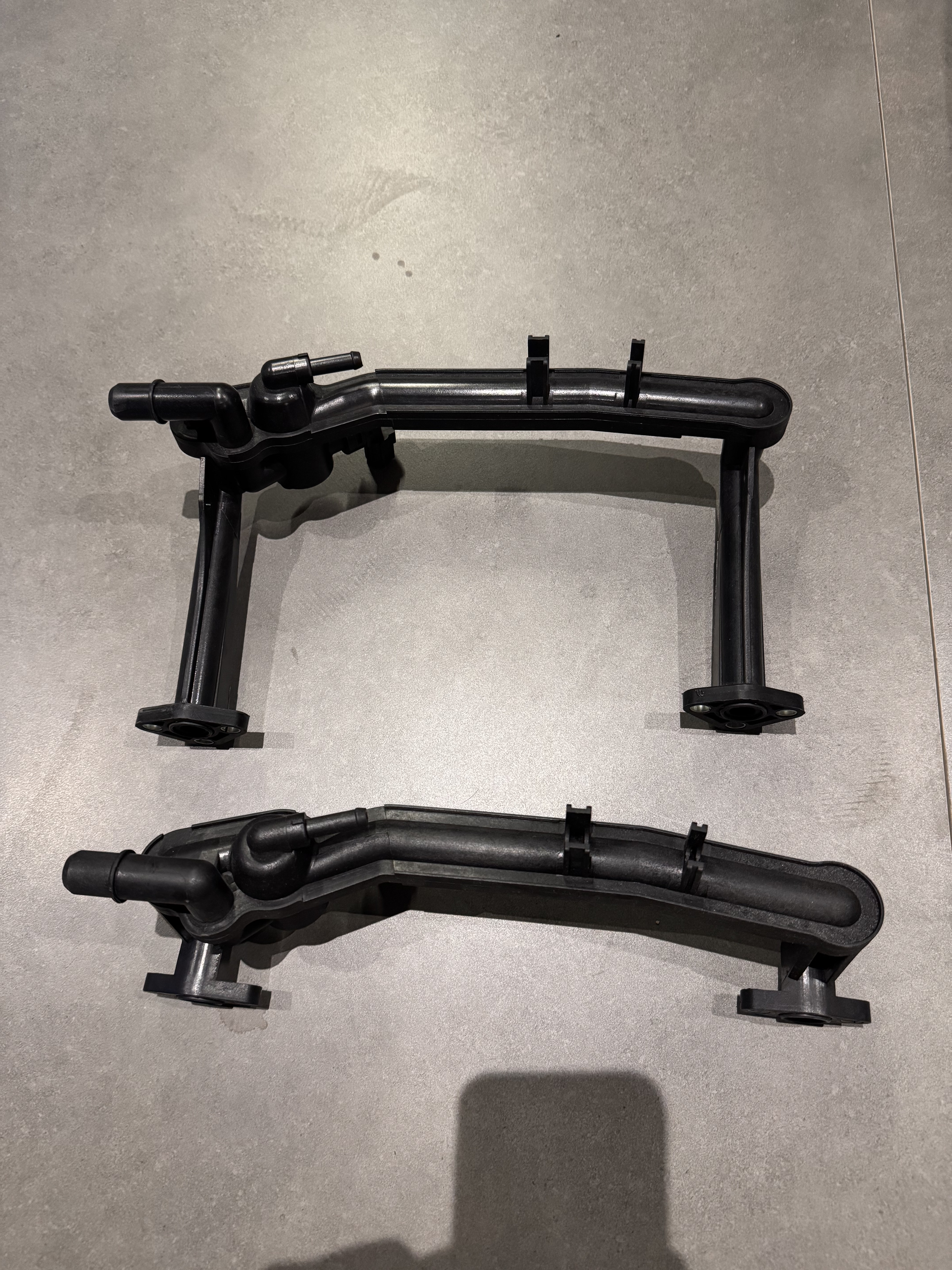
Two molded halves joined by a weld
The original construction uses two separately injection-molded sections that are welded together. The weld line becomes an important area to inspect when developing a replacement part.
Product Improvement Case
A focused example of how we study an original replacement part, identify a vulnerable construction detail and develop a more continuous component design.
01Original Construction
The original construction uses two separately injection-molded sections that are welded together. The weld line becomes an important area to inspect when developing a replacement part.
 02
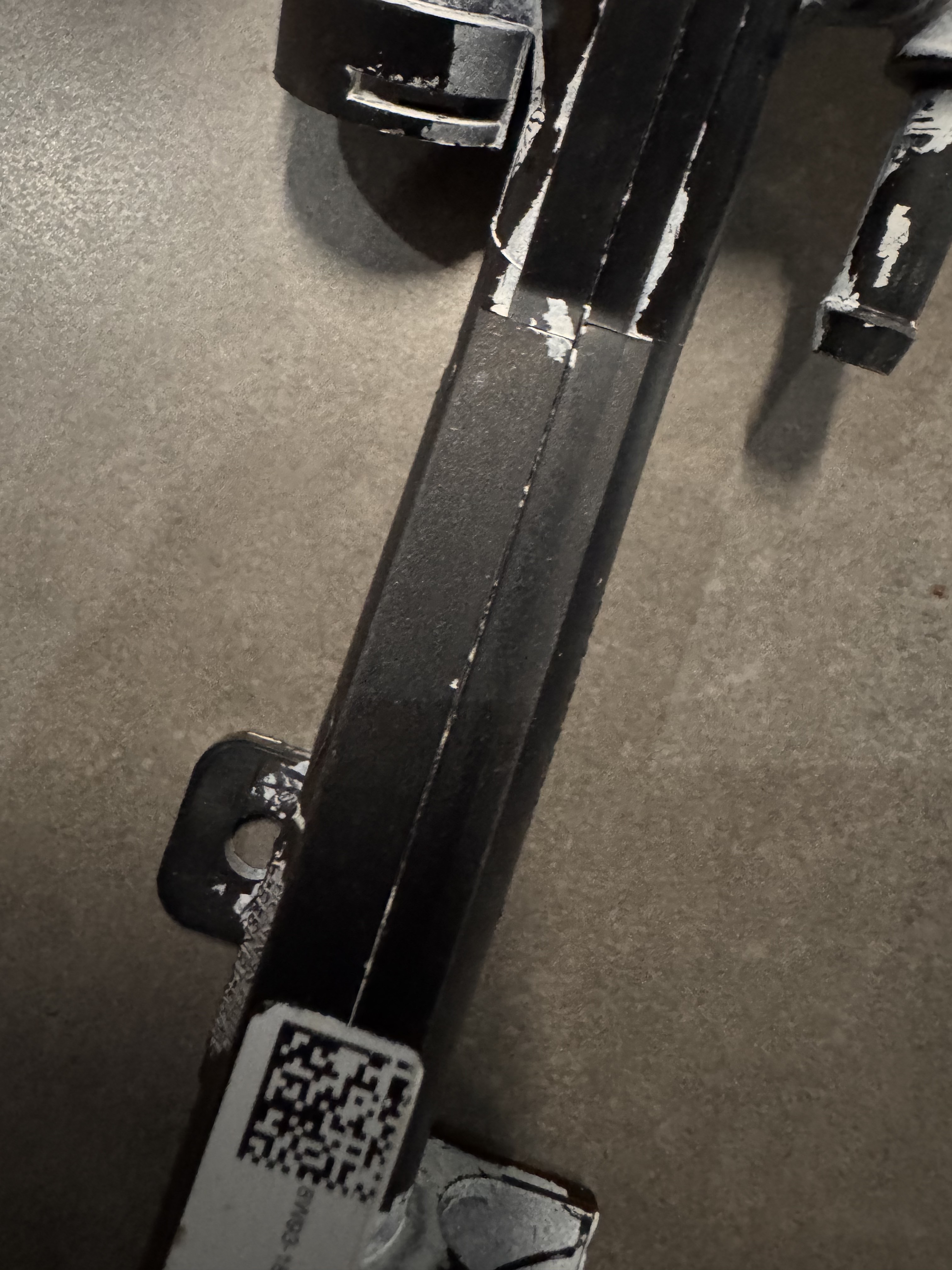
02Failure Risk
During engine operation and after shutdown, the temperature in the engine bay changes significantly. Repeated expansion and contraction can make the welded seam more vulnerable to cracking and coolant leakage.
 03
03Design Improvement
For selected Land Rover coolant pipes LR109401 and LR109402, we changed the construction to one-piece molding. The pipe is formed as a single component, without a joining weld.
 04
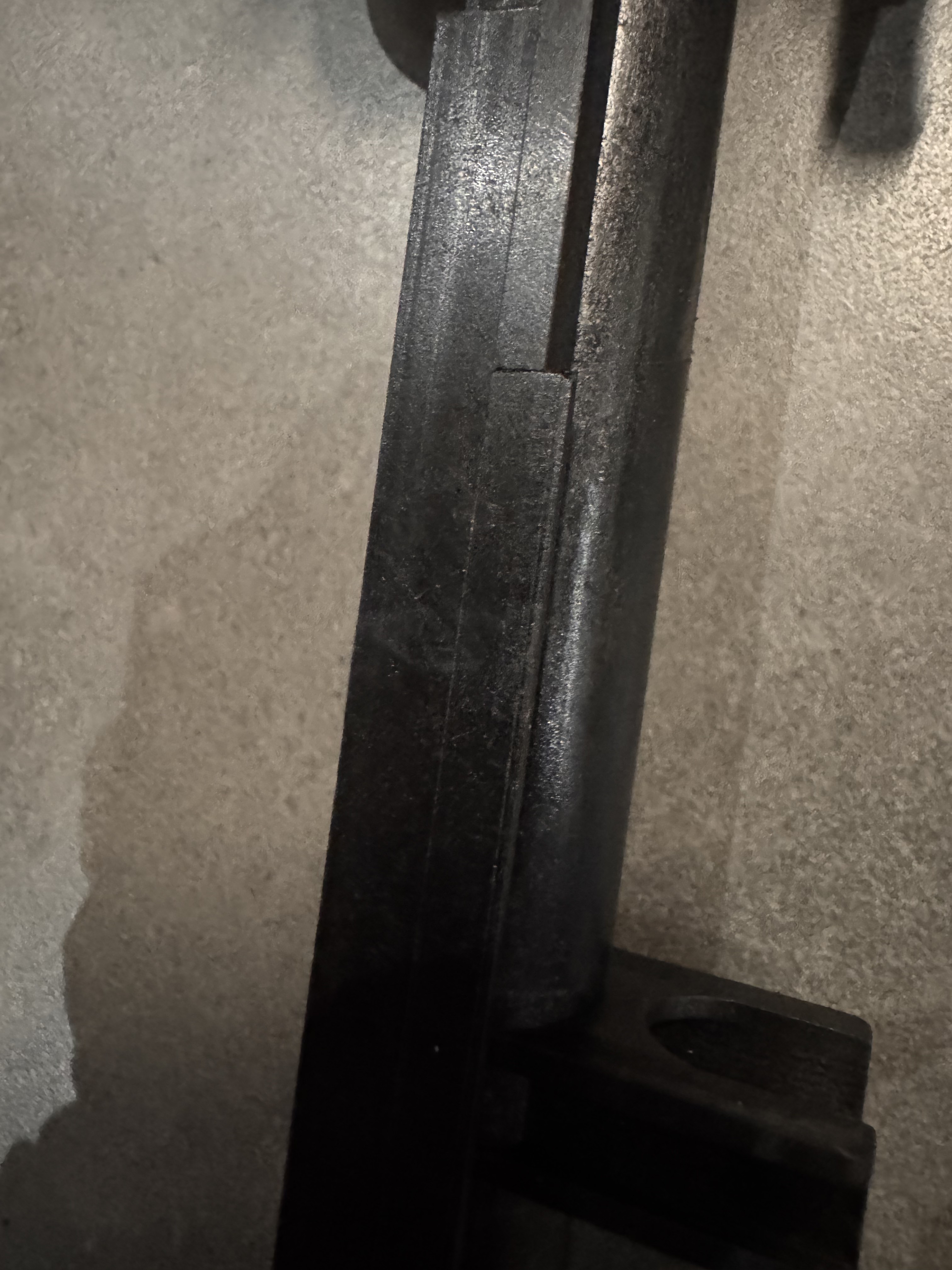
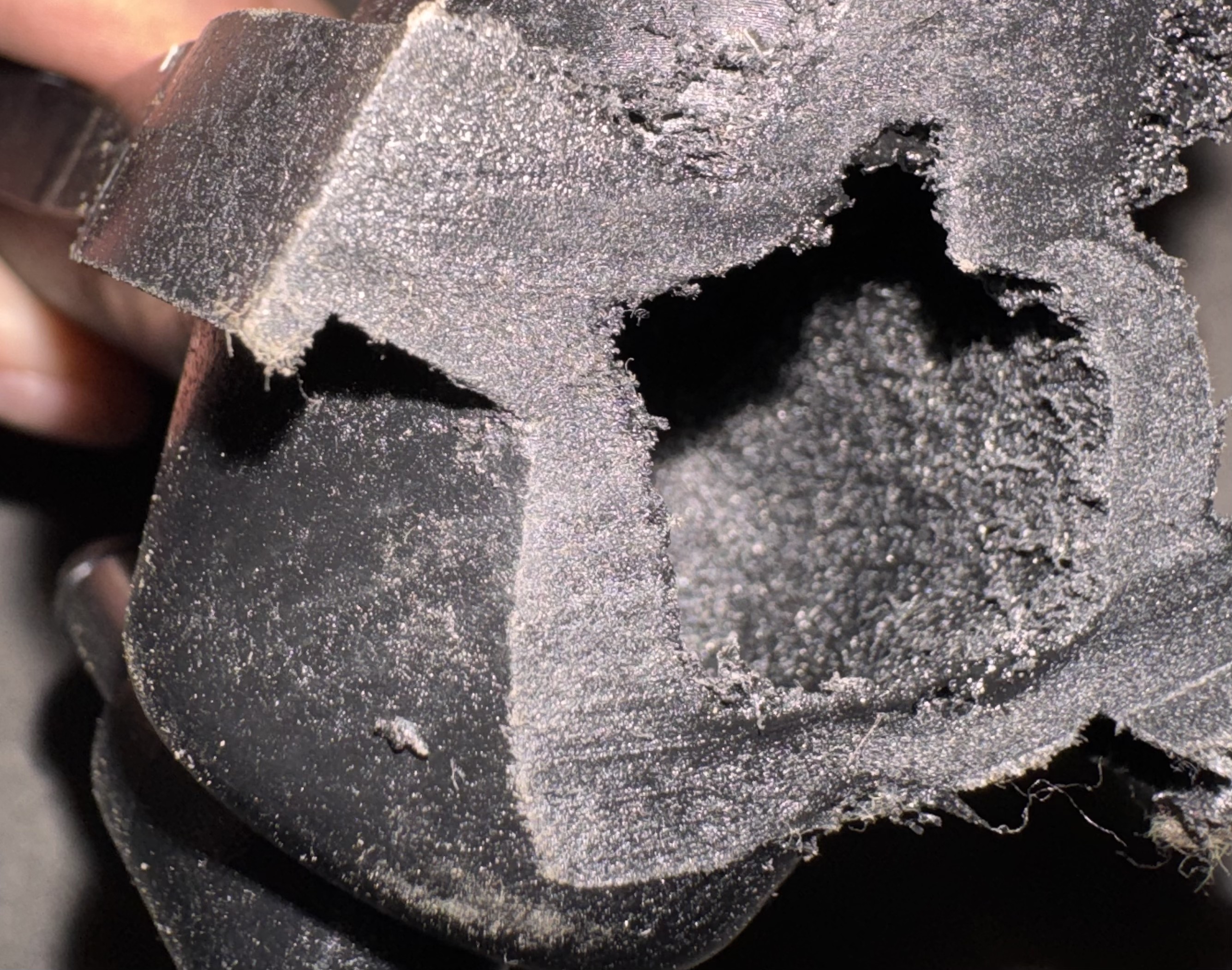
04Cross-Section Check
We cut the component to inspect its cross-section. The checked section shows no welding line, supporting the intended one-piece construction and addressing the leakage risk associated with the original seam.
Continue the conversation
Send us the OE number, product photos or the problem you have observed. We can review the details together and discuss possible improvement directions.